



Effective Paid Ads with Optimized Lead Systems
Why Your Paid Ads Need a System Behind Them
When your backend systems are dialed in, paid ads stop feeling like a gamble and start feeling like controlled growth.
The difference isn’t the ad—it’s what happens after the click, and that’s exactly where GHL shines.
The Real Gap: Clicks vs. Actual Leads
Most ad conversations focus on creatives, audiences, and budgets.
But there’s a hidden gap that quietly kills ROI: the space between someone clicking your ad and becoming a real, qualified lead.
You can have a beautiful ad and still watch money disappear if that gap isn’t managed with intention and systems.
Clicks are attention, not revenue.
Even form fills aren’t revenue—the real win is a conversation that leads to a decision.
That only happens when your backend can reliably capture, organize, and nurture every response your ads generate.
📌 Key Takeaway: Platforms like GHL (GoHighLevel) turn paid traffic from a vanity metric into a predictable pipeline.
What Really Happens After Someone Submits a Form?
For many businesses, the honest answer is: not much.
A form submission triggers an email notification.
Someone might check it later and maybe update a spreadsheet.
Meanwhile, that interested prospect moves on with their day and their intent cools by the minute.
In a stronger system, that same form submission instantly becomes a contact in your CRM, is assigned to a pipeline stage, and kicks off a sequence:
Confirmation message to the lead
Internal alert to your team
A clear next step for follow-up or booking
GHL is built to make this automatic, so “form filled” isn’t the end of the journey—it’s the beginning of a guided process toward a real conversation.
Speed to Lead: Why First Response Timing Matters So Much
The moment someone fills out a form, they’re at peak interest.
Every minute you wait to respond, that interest decays.
Contacting a lead within minutes—not hours—dramatically increases the chance of connection and conversion.
Speed to lead isn’t a “nice to have”; it’s a competitive advantage.
A working system makes “fast” the default.
With GHL, a new lead can trigger instant SMS or email responses.
The right team member gets notified automatically.
Leads can even book directly into a calendar without back-and-forth.
💡 Pro Tip: Don’t rely on someone “remembering” to check their inbox—let your system handle first contact for you.
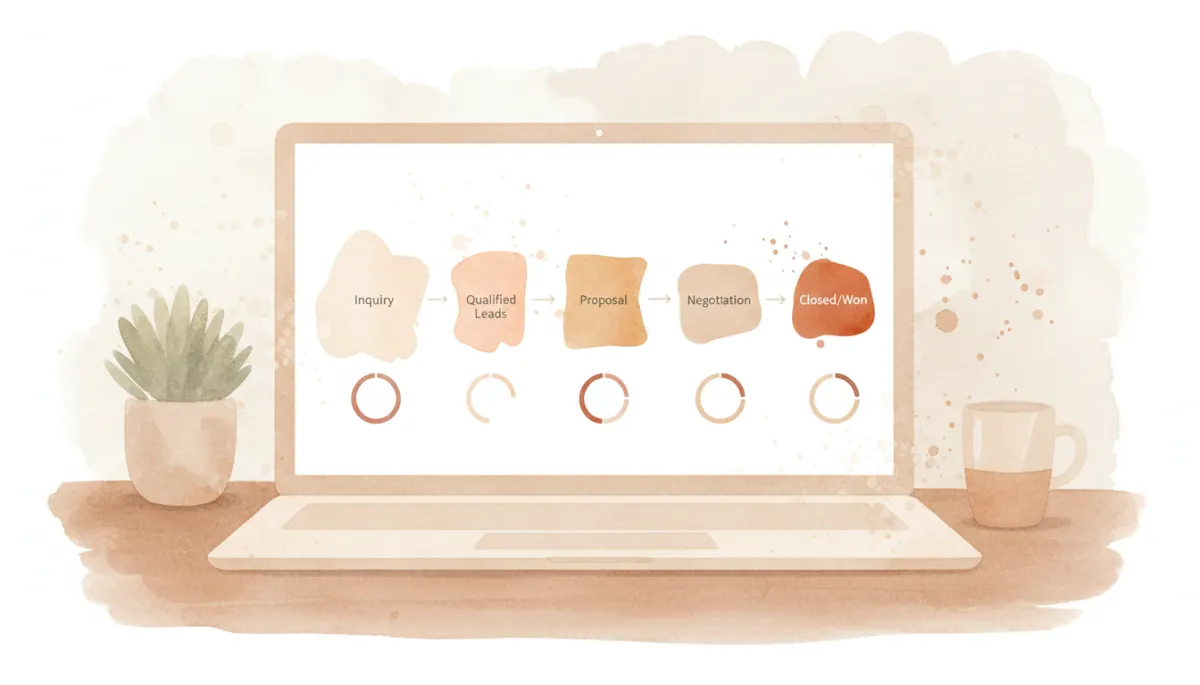
Visual pipelines reveal exactly where your hard-won ad traffic stops moving forward.
Automated Follow-Ups: More Conversions Without More Ad Spend
Not every lead replies the first time. They get busy, distracted, or forget they even reached out.
That doesn’t mean they’re not interested—it means your system needs to do more of the remembering for them.
Automated follow-ups bridge the gap between intent and action.
You get more conversions without increasing your ad budget by a single dollar.
With GHL, you can design nurture sequences that:
Send timely reminders via SMS and email
Share helpful content that builds trust
Offer clear, simple next steps—like booking a call
Even drop voicemail messages automatically
Instead of hoping a single touchpoint is enough, you orchestrate a series of respectful, consistent touches that turn “I’m thinking about it” into “Let’s book a call.”
💡 Pro Tip: Treat follow-up like part of your media spend strategy. If you’re paying for every click, you owe it to your budget to follow up more than once.
Why So Much Ad Spend Is Wasted Without a Backend System
When you zoom out, the pattern is clear: businesses blame “bad ads” or “bad traffic” when results stall, but the real leak is usually behind the scenes.
No centralized CRM
No standardized follow-up
No clear ownership of leads
No visibility into what happens after the form is filled
In that environment, even great ads look like they’re failing.
A platform like GHL closes those profit leaks. It becomes the operating system for your leads:
Capturing every inquiry
Logging every touchpoint
Making sure nobody quietly slips through the cracks
Suddenly, your ad budget isn’t just buying traffic—it’s feeding a machine that knows how to turn that traffic into pipeline and revenue.
Pipelines: Seeing Where Leads Drop Off (and Fixing It)
You can’t improve what you can’t see.
Pipelines turn an invisible mess of leads into a clear, visual journey:
New lead
Contacted
Booked
Showed
Closed
When you see these stages laid out, the real story of your ads emerges—not just how many leads you got, but where they stopped moving forward.
GHL’s pipelines make this visibility simple. You can quickly spot patterns:
Lots of leads but few appointments? Your follow-up or offer might need work.
Many appointments but few closes? Maybe expectations aren’t aligned.
Instead of guessing, you diagnose. And once you can diagnose, you can refine the system so every future ad dollar performs better than the last.
Ads Don’t Generate Revenue. Systems Do.
This is the shift in thinking that separates frustrated advertisers from confident growth leaders:
Ads create attention; systems convert attention into revenue.
When the system behind your ads works—when speed to lead is fast, follow-ups are automated, pipelines are clear, and no lead is left unmanaged—paid traffic feels completely different. It feels reliable.
GHL doesn’t just help you run campaigns; it helps you build the engine that makes campaigns profitable.
If you’re serious about scaling with paid ads, stop asking only, “How do we get more clicks?”
Start asking, “What happens after the click—and is our system ready to handle it?”
📌 Key Takeaway: The real leverage in paid ads lives in your backend systems, not just your creatives.